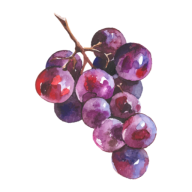
When you think of Soave, you probably think of a tall, thin bottle of non-descript white wine in a cheap Italian restaurant. If you know your stuff, you’ll think of the market-leading producers: Pieropan, Gini and Coffele.
You’re very unlikely to think of the Recioto di Soave wine, a traditional passito wine which has been made in this area for well over a millennium.
Recioto di Soave was the first wine in the Veneto region to be awarded the prestigious DOCG title (Controlled AND Guaranteed.) That was back in 1998.
Nowadays, a miniscule 0.33% of the total Soave production is of the Recioto di Soave. (Statistic from i-winereview.) One third of one percent. Yep. Nada.
As a result, this is a wine that when you see it, you should jump at the occasion to try it.
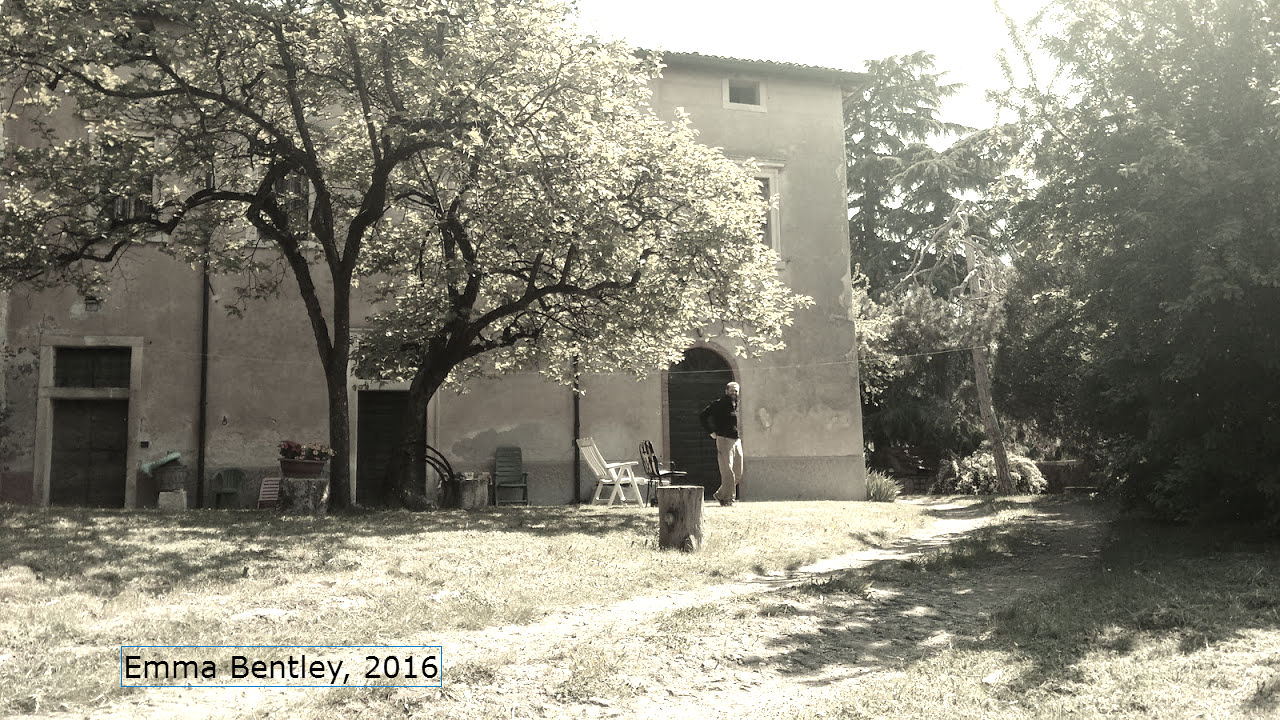
I was back at the Filippi winery last week in order to see the Recioto being made into wine. (Click here for my experience of harvesting the Garganega grapes last September.)
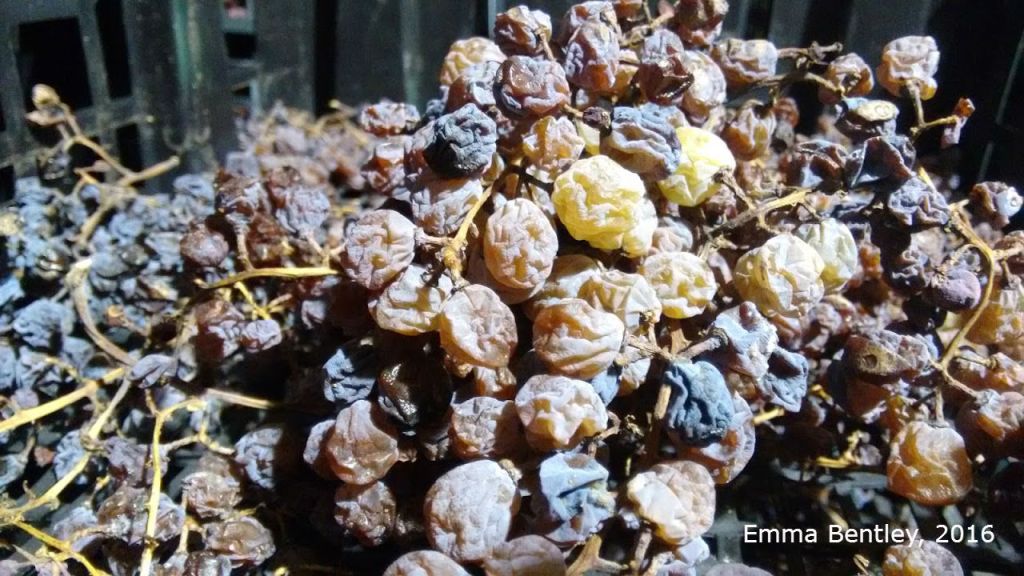
At Filippi, up in the hills of Castelcerino, in Colli Scaligeri, it’s very simple. The grapes are carefully selected, hand-harvested and laid out on plastic cassetti. These are then stacked in a cool and ventilated part of the cellar and left for six months or so.
There’s no set rule of how long the grapes have to dry – appassimento, in Italian – but 5-6 months is the standard.
Nor is there one sure-fire way dictating how the grapes should be dried. Here we don’t do a straw wine in the technical sense (grapes laid out on straw, in the sun, like the Passito di Pantelleria.)

With Italian traditional passito wine, there’s no botrytis / noble rot (the defining characteristic of Sauternes wine) nor fortification (think Port, Madeira or Vin Doux Naturel.)
It’s the process of letting the grapes dry out which means that they lose a large part of their water content and thereby leave behind their highly concentrated sugars. This gives us the sweetness.
I came back to help make the wine. This meant the very unglamorous job of putting the grapes from the black cassetti into the larger white buckets, checking carefully for and sub-par grappoli and taking them to the press. After a couple of hours of pressing (which went late into the night) the juice was then pumped into steel tanks for the fermentation to take place.

So what *is* Recioto di Soave DOCG?
- a minimum of 70% Garganega grapes (Trebbiano di Soave, Pinot Bianco and Chardonnay are permitted in small quantities)
- a minimum alcohol content of 12% ABV
- a mimimum residual sugar level of 70g/liter
N.B.
You can find Recioto di Soave Spumante. Made using the Charmat method (i.e. the same one used for Prosecco) it gives a sweet, lively fizz. Less aromatic than Moscato d’Asti.
As well as the Recioto di Soave DOCG, you may also find Recioto di Soave Classico DOCG. These denomiazioni follow the same geographical territories as for the Soave DOC and Soave Classico DOCG.

Visiting Filippi (May 2015)
Harvesting at Filippi (September 2015)
Filippi on Facebook


Leave a reply to In The Vineyards With: Filippo Filippi (Soave, Veneto) | Got Legs Cancel reply