This interview was initially published in the VinNatur magazine #2, printed in spring 2020, but I feel it deserves a wider audience so I’m republishing it here.
“Spontaneous plants as an indicator of the quality of a vineyard” – Interview with the botanist Cristiano Francescato, of Vitenova.
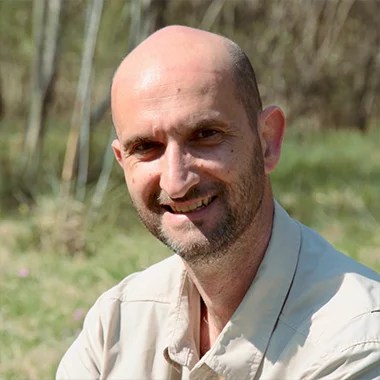
With a degree in Natural Sciences and a PhD in Biomonitoring of environmental alterations, Cristiano Francescato is an expert in analysizing flora and vegetation. In particular, he studies the ecological status of the vineyards and their biodiversity through indicators linked to the presence and abundance of various plant species.
He has been an associate of Vitenova Vine Wellness since 2018.
Hi Cristiano. Among all the different elements that can relay the health status of a vineyard, you chose to focus on the flora-vegetation aspect. What does that, in particular, offer us?
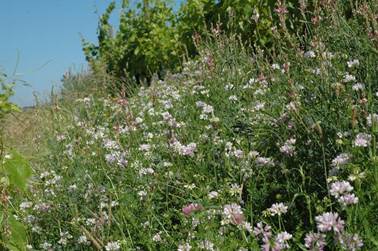
The flora provides important information on the intrinsic characteristics of the vineyard it inhabits. Spontaneous plants can show if it is in balance with the soil and climate and they allow us to place the vineyard in the wider context of the natural environment. The presence or absence of individual species also provides us with a precise ecological reading of the environment we are observing. For example, if walking along the rows of a vineyard we come across coltsfoot (Tussilago farfara) a botantist would know that we are on a soil with a good presence of clay and medium humidity, in a temperate climate. On the other hand, if we observe the presence of mediterranean stork’s bill (Erodium malacoides) our feet are walking on rocky soils in a Mediterranean climate.
Fascinating! Can the plants that populate a vineyard testify to the human impact on their habitat?
Definitely. Plants give us the measure of the impact that the agronomic management is having on the environment. There are species that indicate excessive fertilization, high soil compaction or inadequate tillage. Among these, non-native plants particularly stand out; that is, species which are far from their environment of origin and have come to a certain territory because they are brought by man voluntarily or accidentally. We find non-native species most often in heavily disturbed environments where organic inputs are high and the soil often altered.
What else can you tell us about the non-native plants? What type of coexistence is established with indigenous species?
When they are not in their natural environment, where they are in balance with the other native plants, these now-considered alien plants reproduce themselves rapidly, having no competitors that can contain them. In the new environment in which they settle, they manage to be more successful than native species and so can spread further and faster, thus often replacing them. In vineyards, the most common species we find are horseweed (Conyza canadensis), a North American species that colonizes the driest environments; daisies (Erigeron annuus), a North American species found in the freshest ones, and South African ragwort (Senecio inaequidens), present in the more stony ones.
In conclusion, what approach must the winemaker take to favour native flora over the non-native species?
It is important to identify these alien plants before their presence eliminates the native species, greatly reducing biodiversity and the presence of useful insects that accompany them, consequently causing an imbalance in the system. A winemaker could start by ensuring a high biodiversity of native species which, in turn, self-regulate the environment itself. Agronomic management proves to be fundamental here: deciding when to cut the grass is an operation that, however simple it may seem, determines which groups of species survive rather than others. In this sense, the vineyard can play an important role from a conservation point of view, more than any other cultivated crops.
Finally, always bear in mind that it is possible to quantify the environmental sustainability of a vineyard by measuring the presence of species found in natural environments (woods, meadows, pastures, etc) that manage to be part of the spontaneous flora of a vineyard. In the research and monitoring project that we do in VinNatur members’ vineyards, this index can be very variable within the vineyards: it goes from values of 18% to a maximum of 61%! These results in turn help the viticulturalist understand if he is working effectively to maintain a natural balance in his vineyard or not.
For full transparency, I should mention that I work for the VinNatur Association and facilitated (and subsequently translated) the interview 6 years ago.

Leave a Reply